
Awards and Accolades
Bloomington Indiana Film Festival – Best Film, Best Cinematography
Manhattanhenge International Film Festival – Best Film
Stockholm Film Festival – Finalist
Malibu Film Festival – Finalist
Indie Vegas Film Festival – Official Selection
Youngstown Film Festival – Official Selection
Sky Arts Film Festival – Official Selection
Richmond International Film Festival – Official Selection
Revolution Me Film Festival – Official Selection
Various Artists Independent Film Festival – Nominee
International Film Arts and Hearts Film Festival – Honorable Mention
The Crew
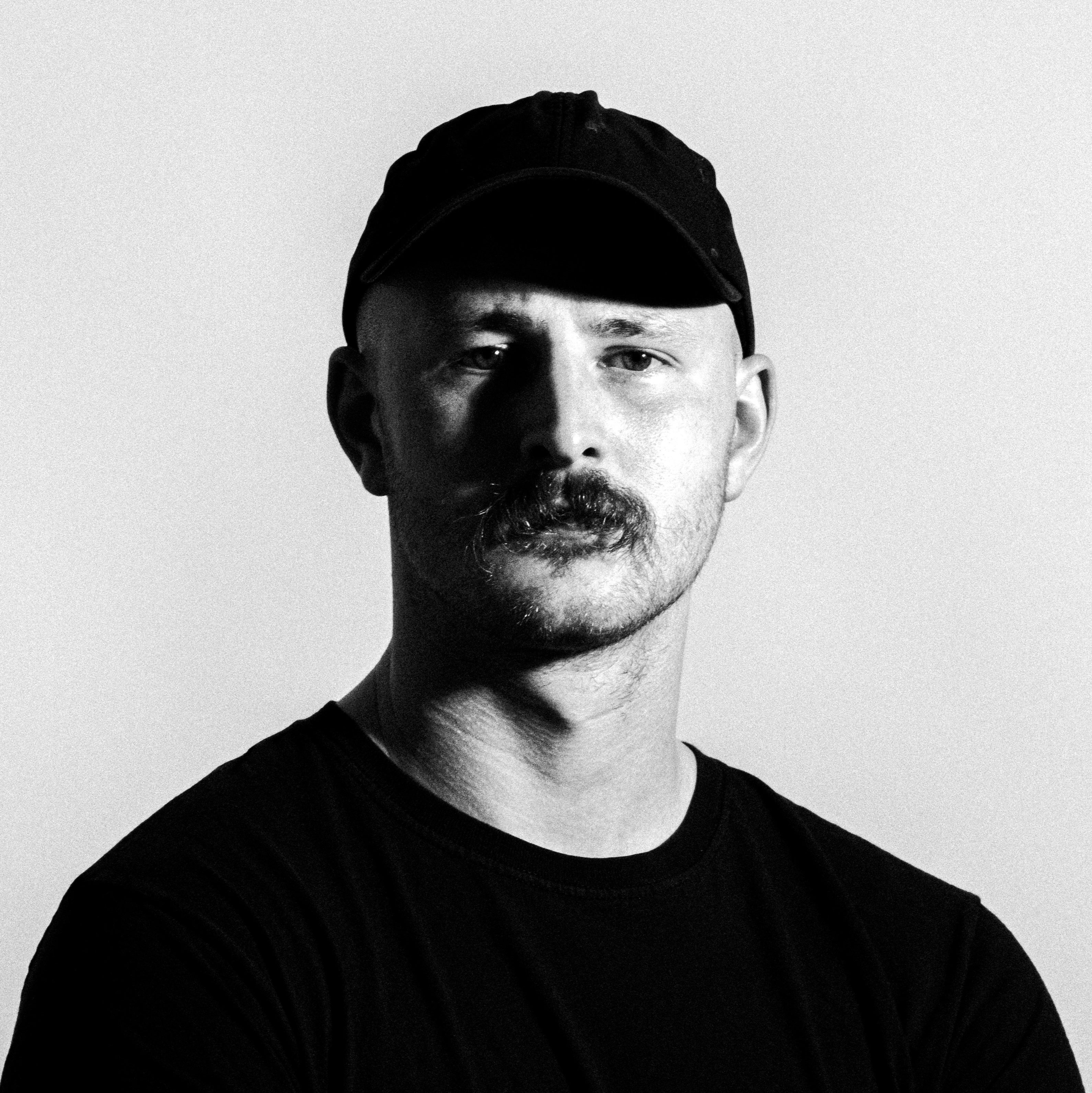
Malakai Tyne Bisel
Writer/Director
Malakai Tyne Bisel is an award-winning writer and director. His films have played in several festivals, including Hobnobben, Imaginarium, and the Upstate NY Festival. His work often studies the power of narrative and the stories we tell ourselves. He has worked with HBO, Investigation Discovery, and Amazon Studios. After graduating from Purdue University – Indiana University, he spent two years as a photojournalist and touring musician.
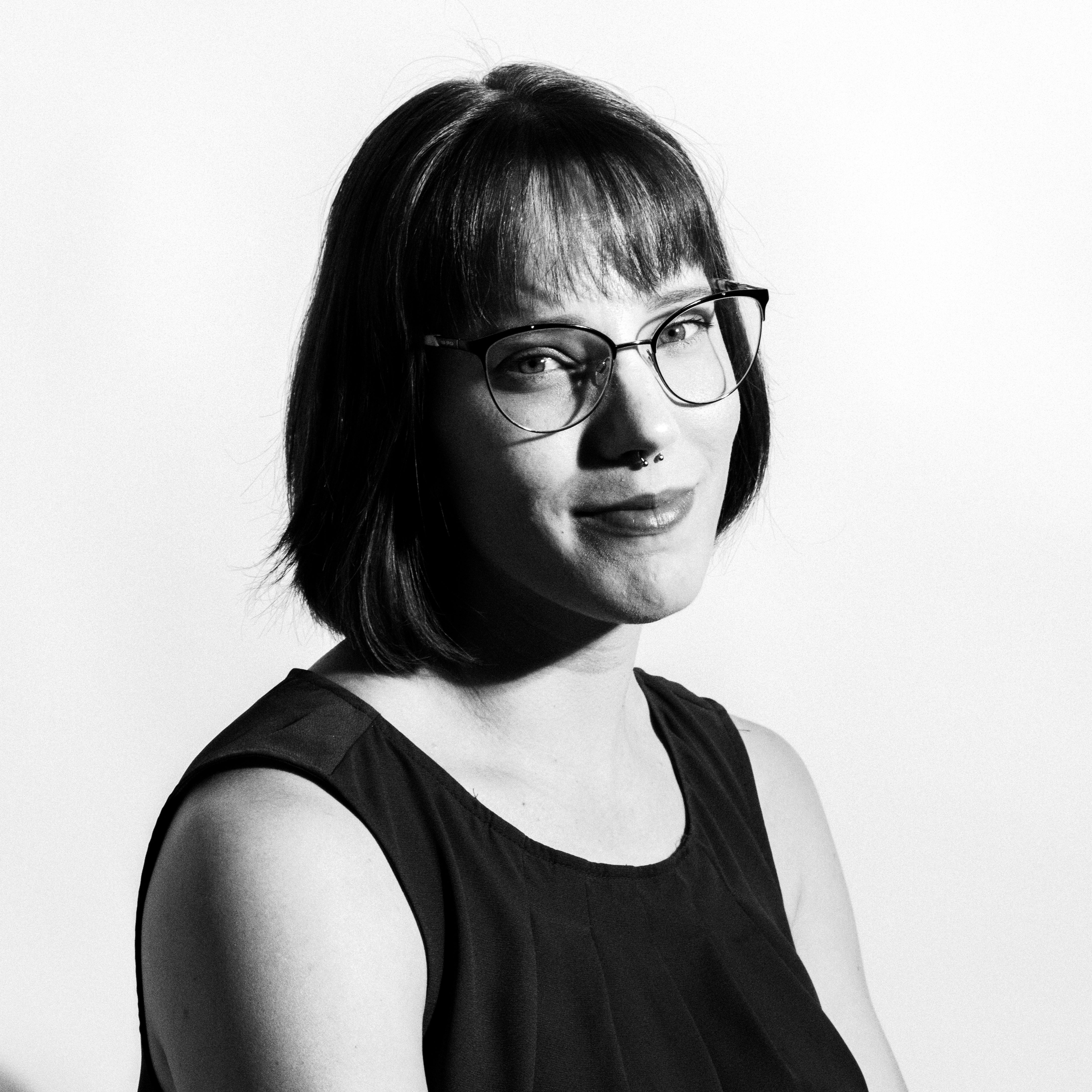
Victoria Britton
Producer
Victoria Britton is an award-winning producer, director, and 1st AC committed to telling personal stories that unpack themes of grief, spirituality, and womanhood. After graduating from Butler University in Indianapolis, she spent five years as a News Producer for the leading CBS affiliate in Northeast Indiana, where she honed her ability to uncover powerful, authentic stories.
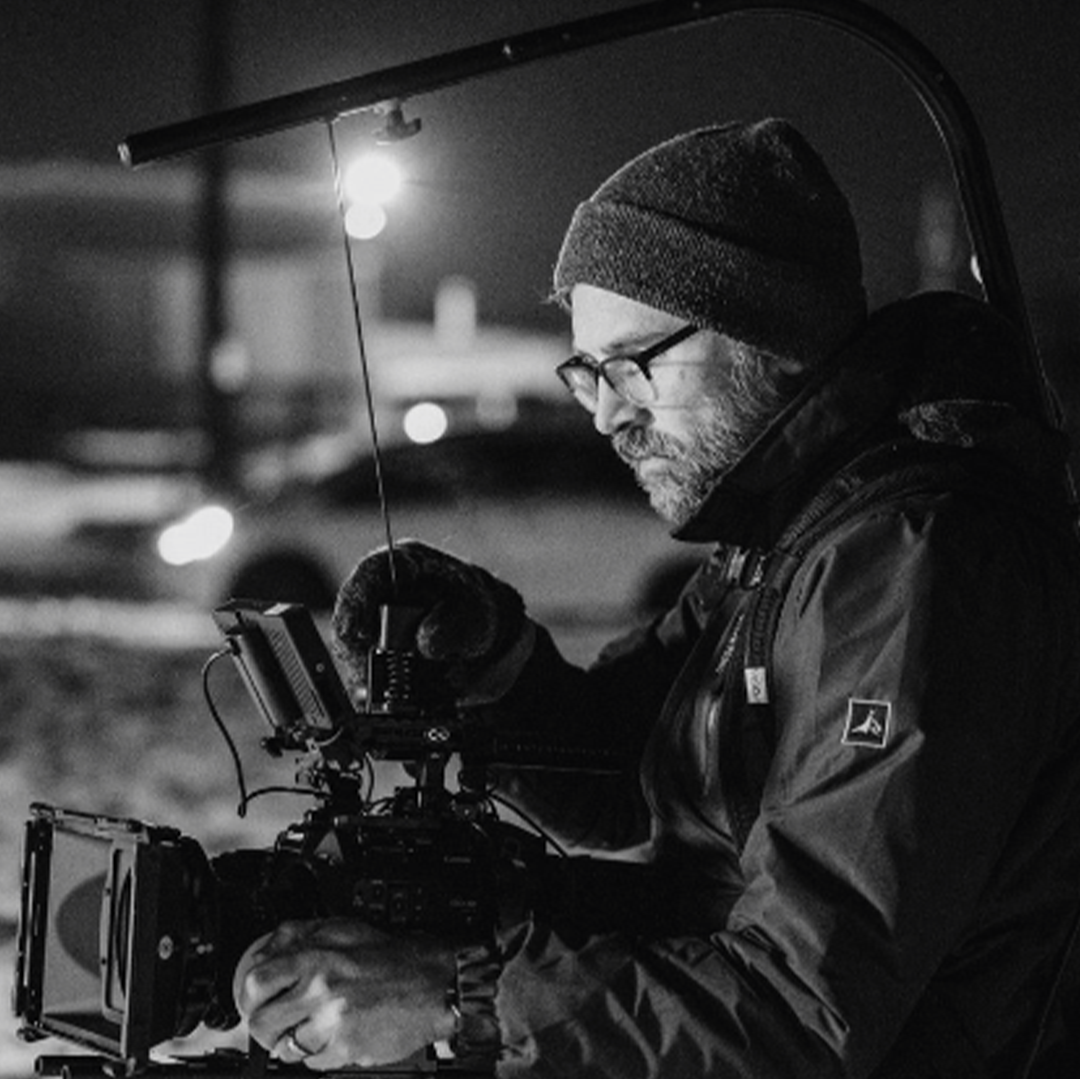
Joe Frank
DP
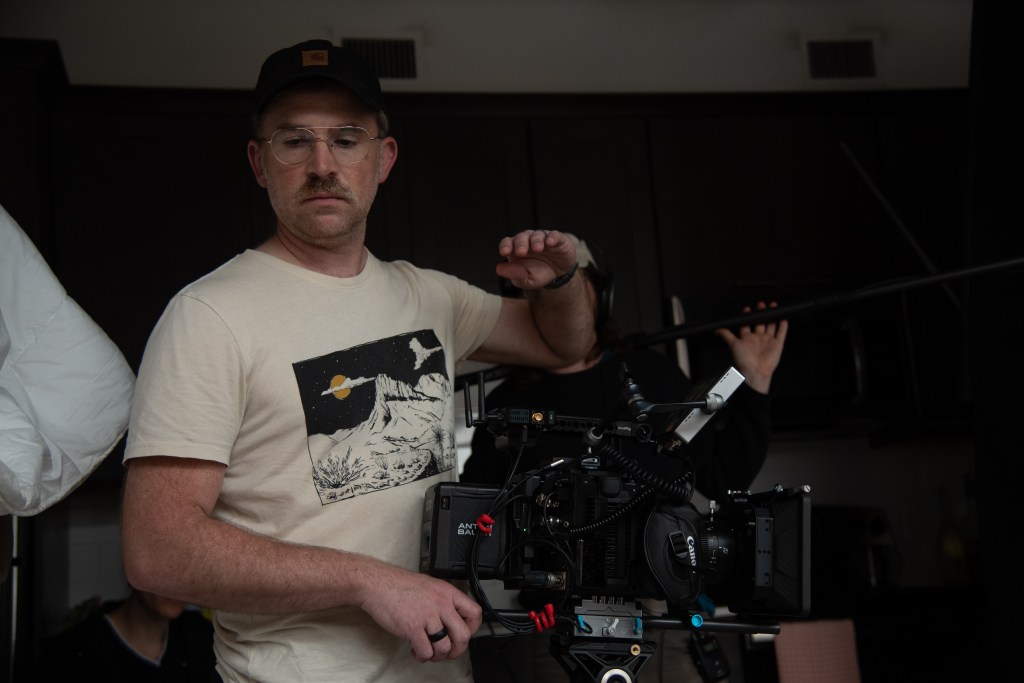
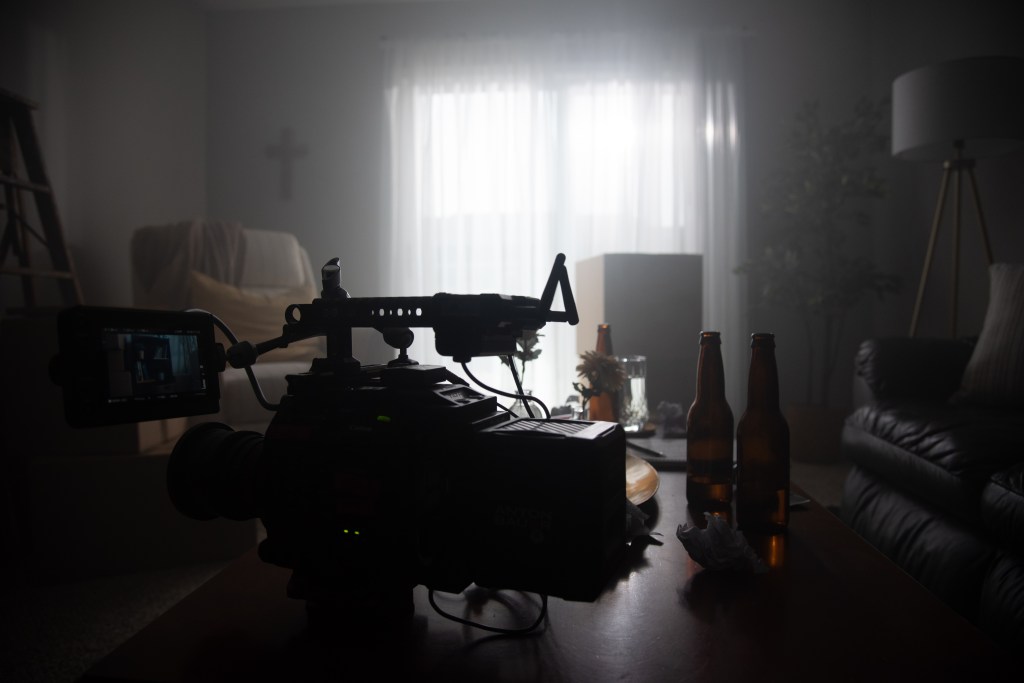
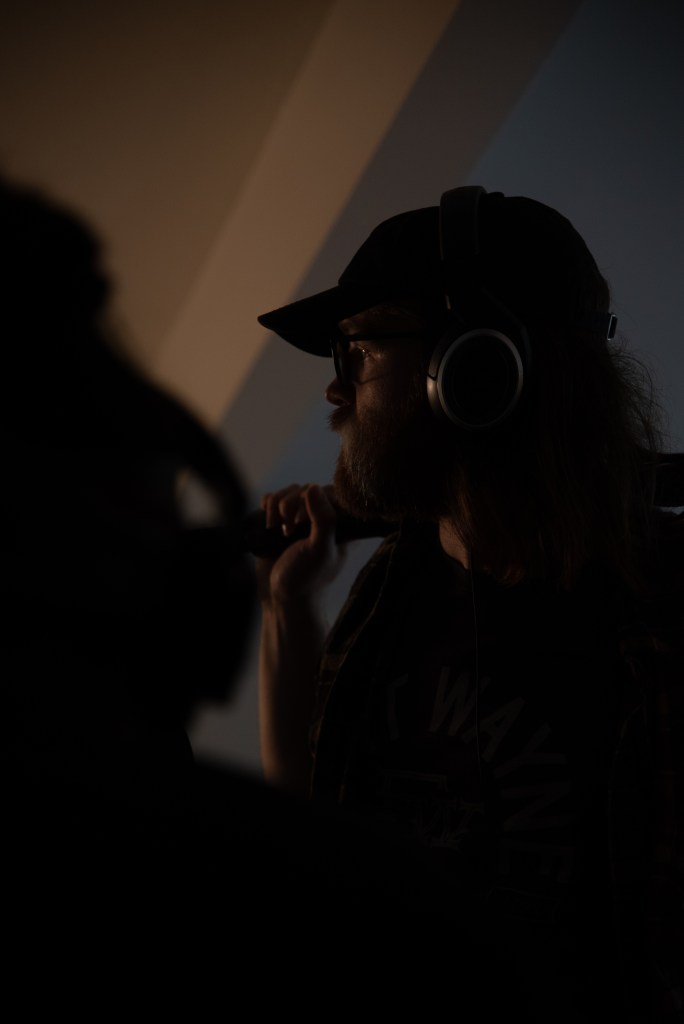
Joe Frank is a director of photography and camera operator working in the Indianapolis area. He specializes in music videos, ads, and documentaries. He’s been making films for over twenty years and has more than eight years of experience working professionally.
The Cast
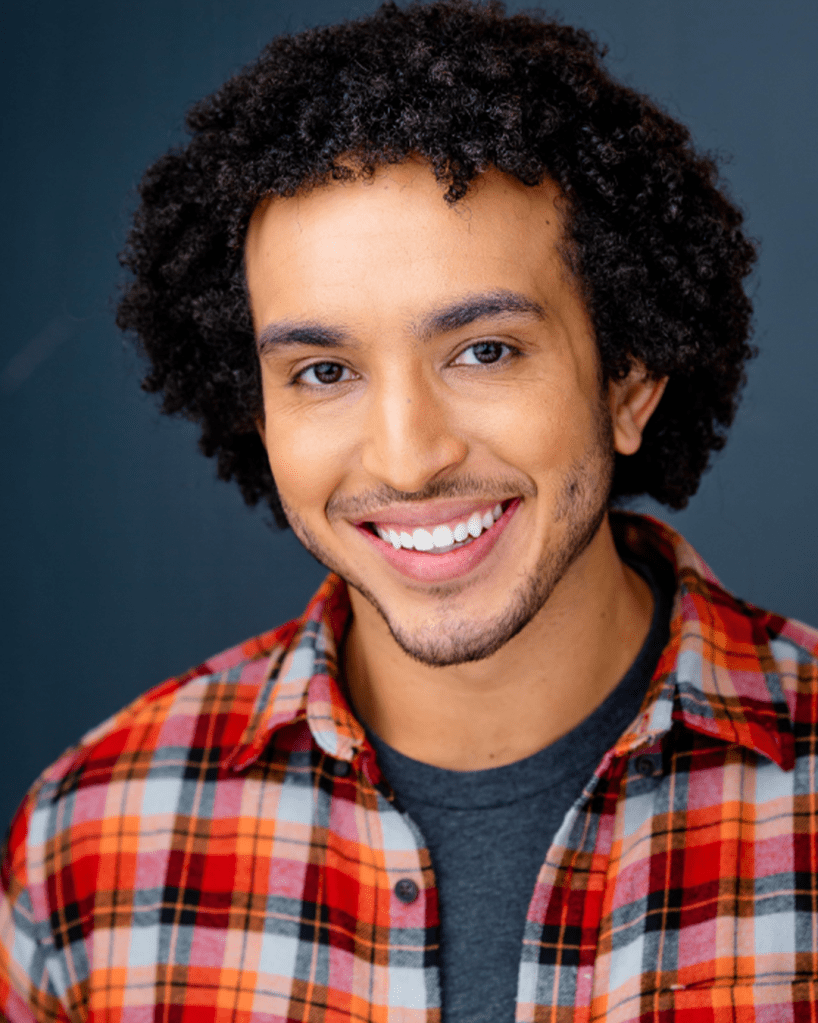
Angel Ray
Sev Taylor
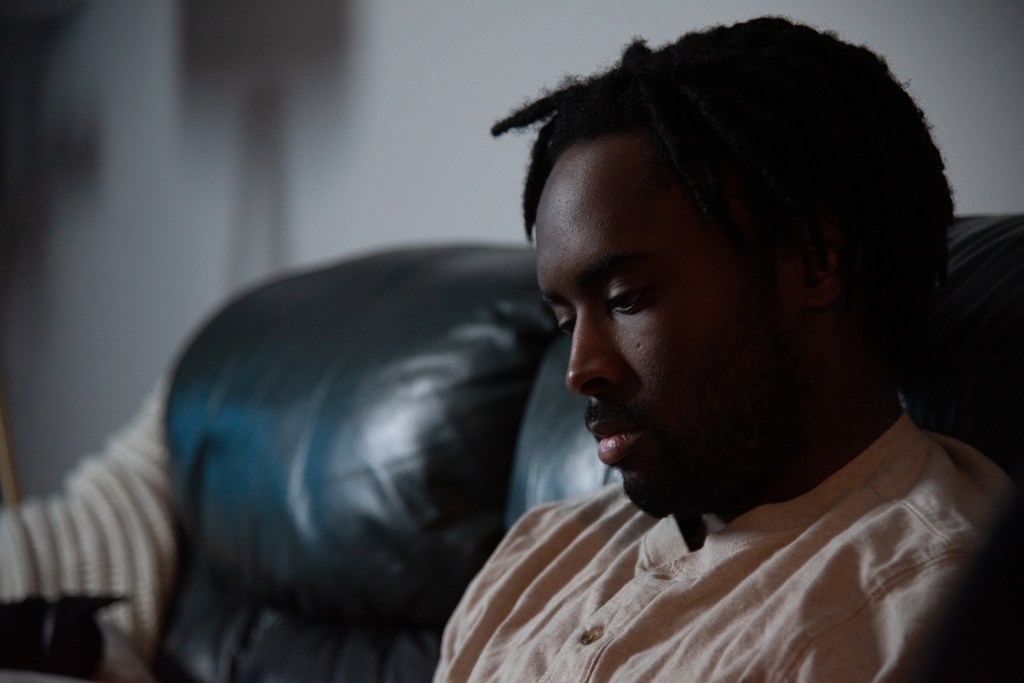
Angel Ray, a rising American actor, excels in commercials and film. His journey began during dental school at Texas A&M Baylor, following his graduation from Abilene Christian University. Collaborating with actors like Jessica Sula and Sam Brooks, Angel made an impact, notably in the film “Malum” (2023) and commercials for brands like Old Spice and GE. With unwavering determination, he continues to evolve in both dentistry and entertainment.
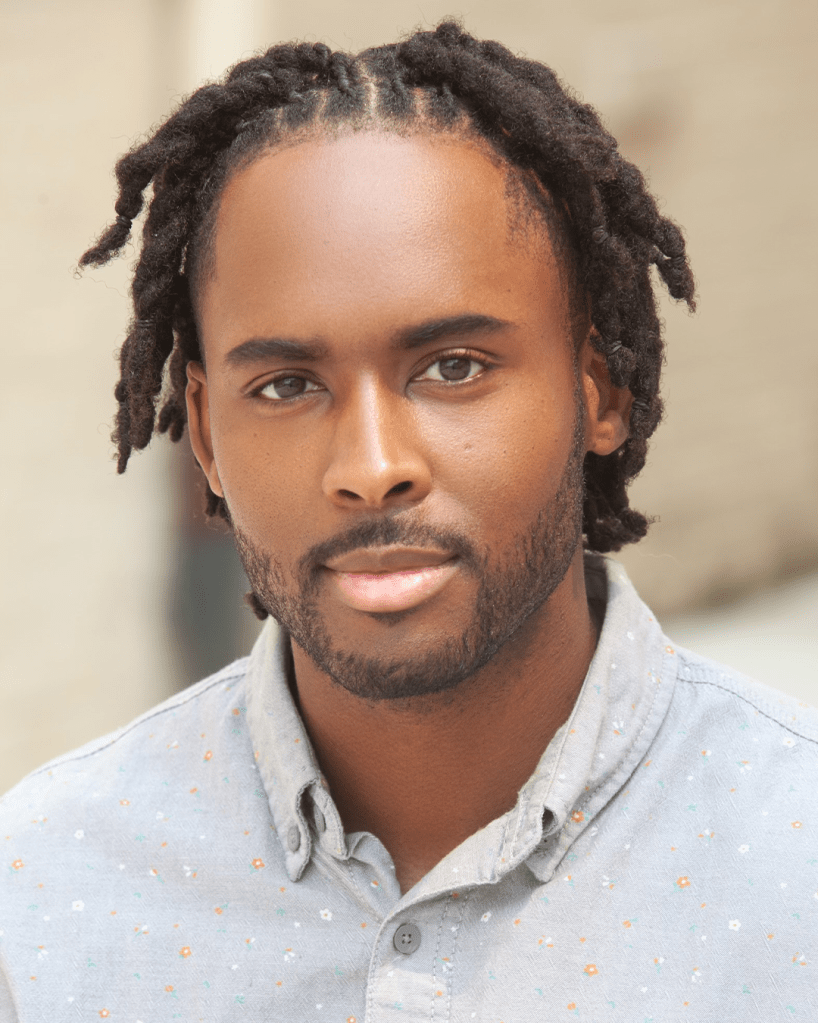
Ricky Cortéz
Fenner Lee
Ricky Cortez loves bringing stories to life that push his limits and require emotional range. He recently starred in “The Perfect Man,” which premiered at The Phoenix Theater in Indianapolis. When he’s not on set, he’s working on perfecting his craft through multiple projects on YouTube or in classes honing his craft. Ricky is proof that dedication and belief can take you farther than playing it safe & hoping. He thanks his Wife, Lindsey, theig dog, Creed, and his support system of family & friends.

Katarena Burke
Griffin Lee
Katarena Burke has been acting since the age of 7 in theatrical productions and, most recently, on screen. She began her on screen journey 3 years ago. Her on screen work includes “Slasherverse”, “Remote Learning”, “Payday”, and more. Katarena enjoys all aspects of the filming process and has a passion for period pieces and horror. Katarena is also an animal enthusiast, having 5 pets of her own. When she’s not acting she can be found training dogs, sewing, writing, or baking.




Q&A
Malakai Tyne Bisel

Writer/Director
What does this film mean to you?
Oh man, that’s a big question. I suppose like most films, it means many different things to me. For one, I wrote this film when I was in a really dark place. IT was during the pandemic and my life came to a screeching halt. I couldn’t make films. I found myself wondering who I was and what the meaning of anything I’d ever done was. In an earlier draft of the script, I was just trying to make something I could shoot with my household family–something that could make us laugh and get our minds off all the darkness. I wrote it and tucked it away for a while. We never made anything of it. But then I pulled it out again when I was looking for what my next film might be. Re-reading it after coming out of the pandemic and therapy–a lot of therapy–I discovered it was about something more. I realized it was a story about two parts of myself . The dreamer in me and the realist in me. They’re in a constant struggle with each other and I tried to intertwine all my feelings of the time into the film and it became “Dead-End Dreams.”
The film has some absurdly comedic elements, but also some very personal moments. What was it like on set?
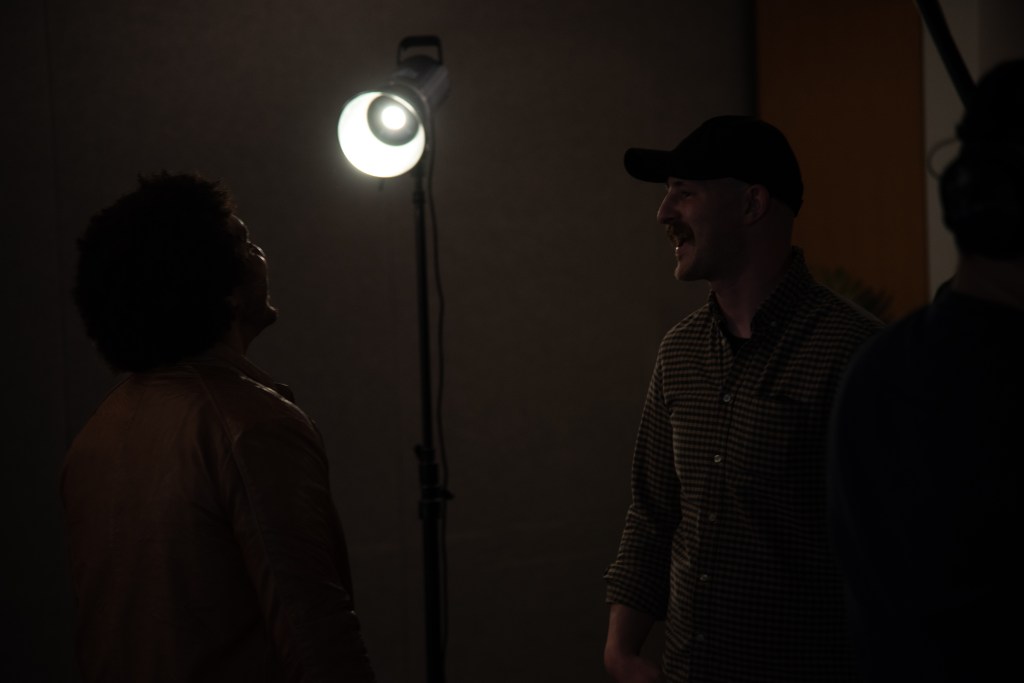
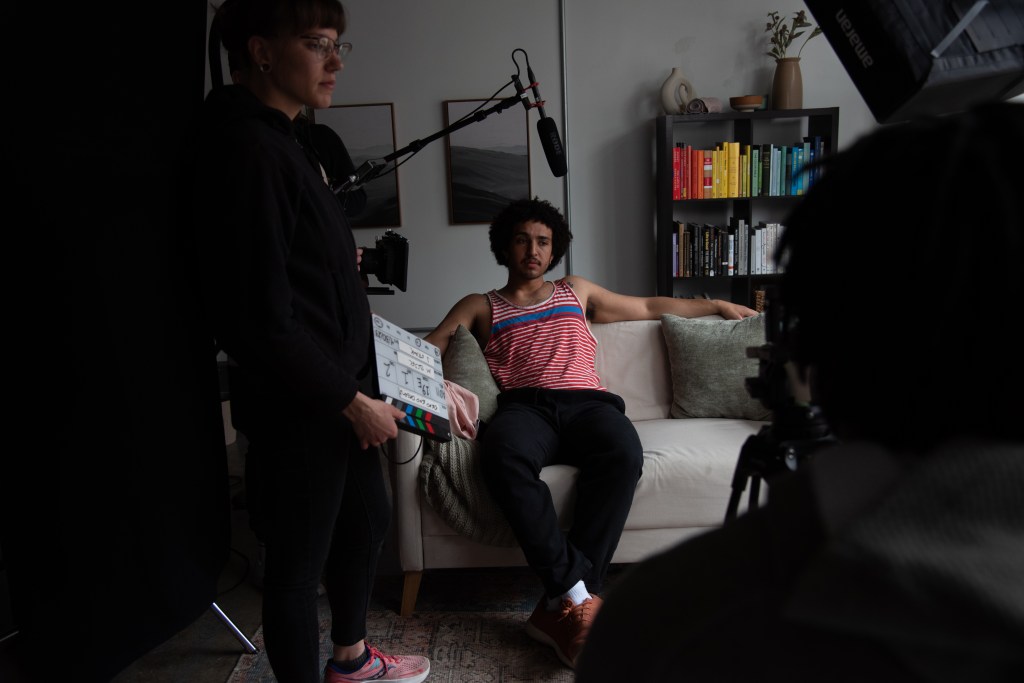
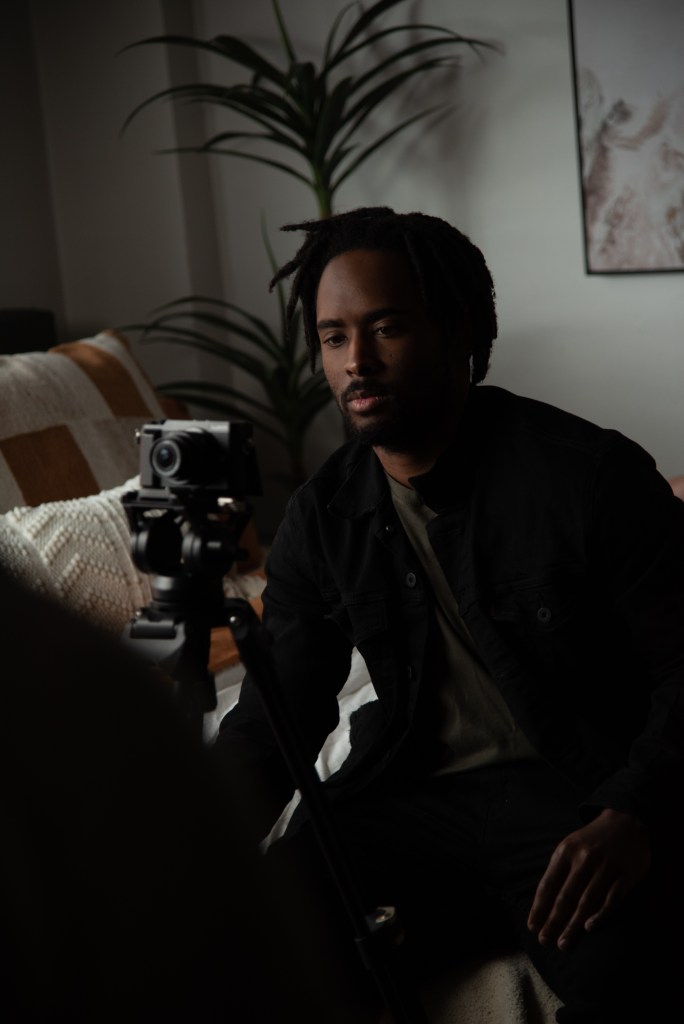
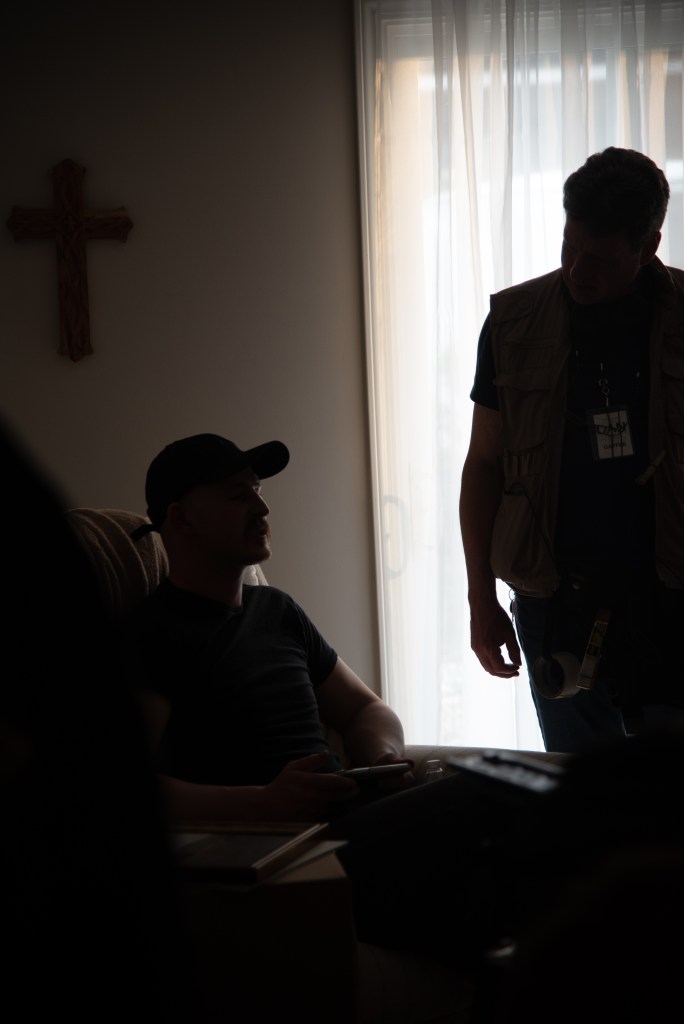
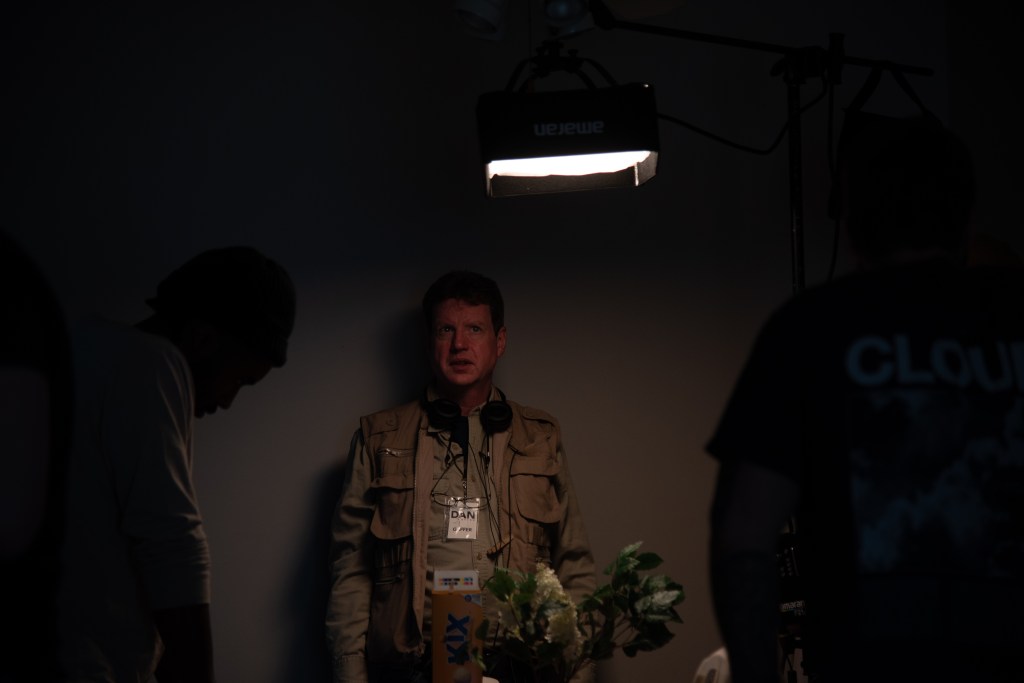
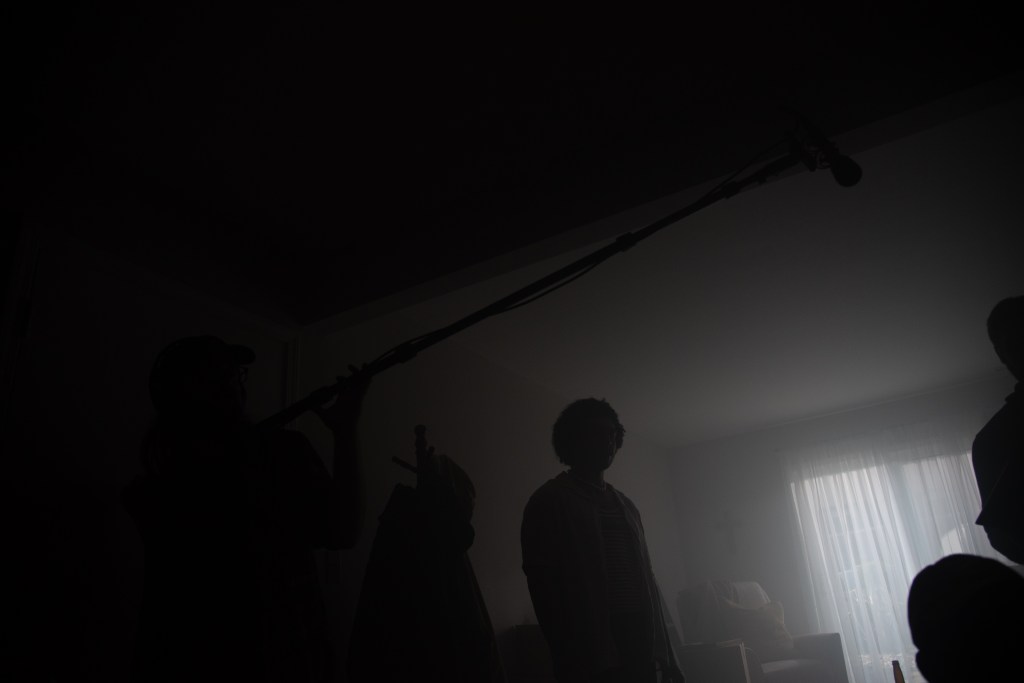
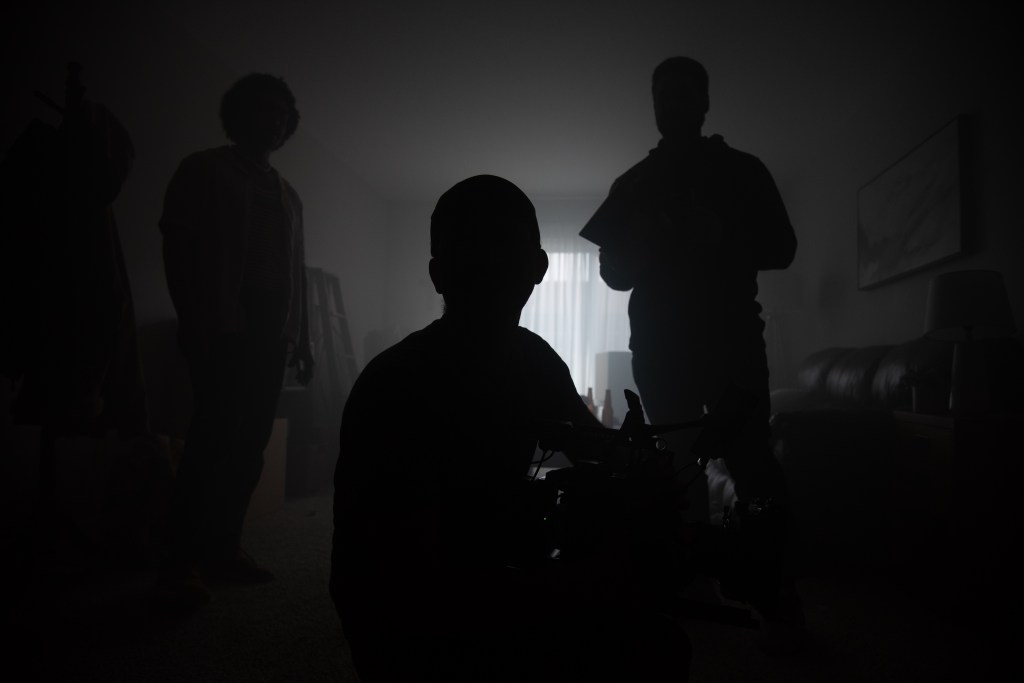
It was a total blast. Everyone was on that set because they could see part of themselves in these characters. It was a band of run-and-gun creatives that have struggled to make a name for themselves in the real world. We were constantly laughing and having a great time. I think we could all laugh at the jokes because they were pointed at people like us, but also sympathize with some of the dramatic questions.
The film was produced by yourself and Victoria Britton. What was it like bringing the production together with just two people?
Well, Victoria and I are both a bit neurotic when it comes to planning. Google docs, spreadsheets, emails and all that kind of stuff. We had about six months of prep and we had everything planned out extensively. Working with her was great because is one of those people that knows everyone everywhere. I was able to focus on more of the creative stuff while she made things happen. I learned so much from her about being a real producer and she told me she learned a lot from my directing, so I think we made an excellent team.
You spent time as a touring musician. Does that experience play into your work in film?
For sure. On a non-creative side, it helped me learn to work with people. When you’re on tour with your band mates, it’s easy to get irritated at each other, but you have to always remember that you have the same goals. There wasn’t any irritation with anyone on this set, but that experience surely plays into my communication style. Beyond that, I’ve always scored my own films. I think being a musician has given me a good grasp on pace and the rhythm of a scene. Plus, I just love making music. Ugh, that sounds so lame.
You said that these characters were like two parts of yourself. Are any of the scenes directly plucked from your real life experiences?
Yes! I’ve journaled my whole life and I always write down any interesting people or things I experience. I was also a very strange kid that suffered many identity crises. One example is the mustache scene. When I was kid I always yearned to be forty-some years old. I have no idea why. Maybe I had father issues or something. But I literally stole my mom’s mascara brush and ran it through the peach fuzz on my face to make it look like I had a mustache. Beyond the comedic stuff, Fenner struggles with recreating the traumatic cycle his own mother inflicted upon him. I’ve handled most of that stuff in therapy, but I’ve found myself doing that before. It’s hard to subject yourself to the darkest parts of your life, but if you don’t do it, bad things will happen.
Lastly, you have a cameo as a cowboy. What was it like filming that scene?
It was a lot of fun. I always like to finagle myself into my own films somehow, but this one was a blast. First off, I looked great in that outfit. But when Joe came around to film me, I didn’t have anything written. So I just riffed for five minutes or so and everyone was throwing suggestions out to me, which was a blast. There came a point where I was like, “I can make myself cry.” Of course everyone was like, “do it!” SO I did this thing I used to do as a kid. I would sing softly to myself and for whatever reason, it would bring tears to my eyes. I used to do that as a kid when something I considered bad would happen. So I did it that day. It’s not in the film, but it was just the type of environment where we could try things. That cast. That crew. They made everything possible. They let me dress like a cowboy and pretend to cry.
Technical Specs
Shooting Format: Digital
Aspect Ratio: 16:9
Audio Format: 5.1, stereo
Language: English
Runtime: 41 Minutes 48 Seconds

Contact
Your message has been sent

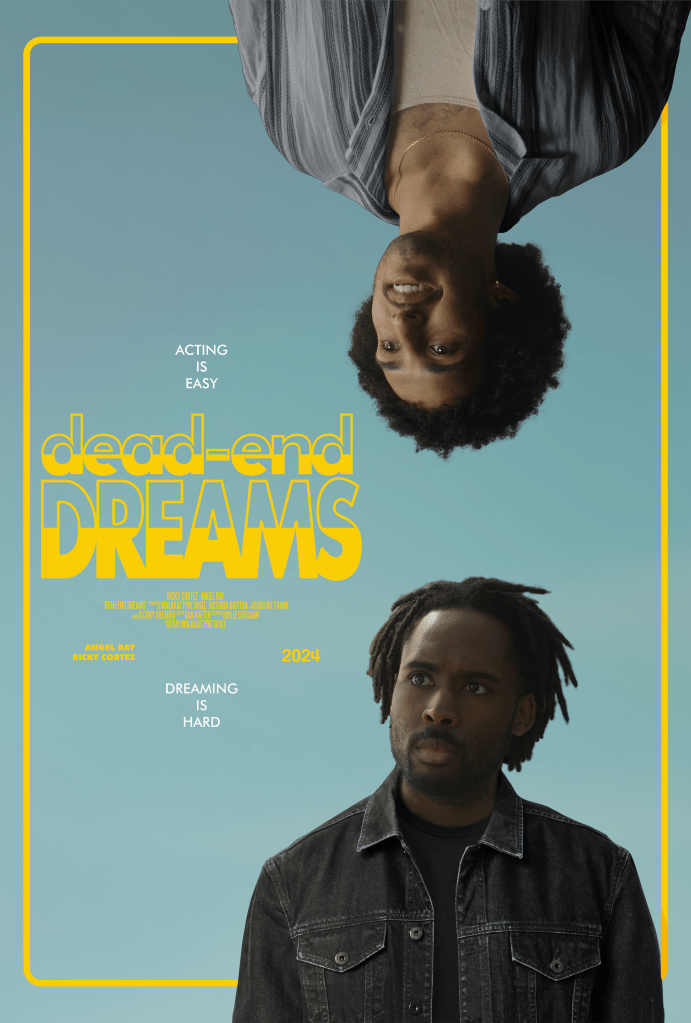
 Dead-End Dreams | A Short Film